Why Monthly Timing Matters for GTA Lawns
Southern Ontario's climate creates a distinct growing season that doesn't follow a one-size-fits-all playbook. The cool-season grasses that dominate GTA lawns — Kentucky bluegrass, perennial ryegrass, and fine fescues — have two peak growth periods in spring and fall, with a natural slowdown during the hottest summer weeks. Understanding this growth pattern is the key to effective lawn care.
What works in June doesn't work in August. Mowing height, watering frequency, fertilizer timing, and pest vigilance all need to shift as the season progresses. Here's your month-by-month guide to keeping a GTA lawn healthy, green, and resilient from the last frost to the first snow.
May: Spring Activation
May is when GTA lawns wake up in earnest. Soil temperatures hit the threshold for active root growth, and grass enters its first peak growing period.
Mowing
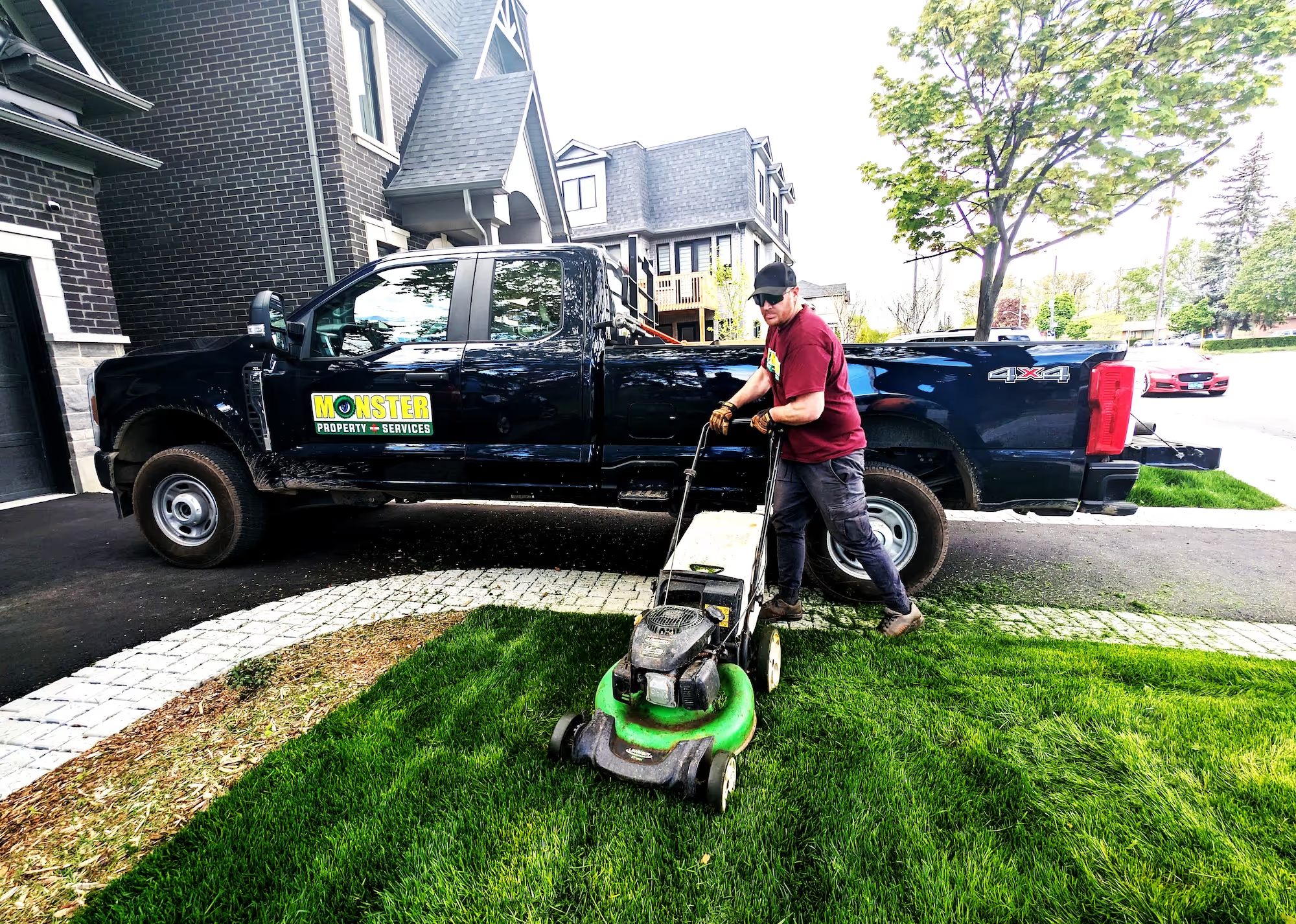
Start mowing when grass reaches 3 to 4 inches. Set your mower to cut at 3 inches for the first few cuts of the season. This removes winter-damaged tips without shocking the plant. As growth accelerates later in the month, you may need to mow twice per week during peak growth. Always follow the one-third rule: never remove more than one-third of the blade length in a single cut.
Fertilization
Apply your first slow-release fertilizer in mid to late May, once the grass is actively growing and using nutrients. Applying too early feeds weeds more than grass. A balanced formula like 20-5-10 works well for most GTA lawns. If you did a soil test, follow its recommendations for precise nutrient ratios.
Weed Management
May is your best window for addressing broadleaf weeds like dandelions before they set seed. In Ontario, pesticide regulations limit what's available for residential use, so focus on cultural controls: thick, healthy turf is the best weed suppressant. Hand-pulling and corn gluten applications are effective organic options.
Aeration
If you didn't aerate in fall, spring aeration in May is your next best option. Core aerate when the soil is moist but not saturated. This is especially valuable for clay-heavy GTA soils that compact easily over winter.
June: Peak Growth Management
June is typically the fastest growth month for GTA lawns. Warm days, cool nights, and consistent rainfall create ideal conditions.
Mowing
Raise your mowing height to 3.5 inches as temperatures climb. Weekly mowing is usually sufficient, but you may need an extra cut after rainy stretches. Keep your blades sharp — dull blades tear grass rather than cutting it cleanly, creating brown tips and increasing disease susceptibility.
Watering
Most GTA lawns receive adequate moisture from rainfall in June. If you do need to water, aim for one inch per week total (including rain), applied in one or two deep sessions rather than daily light sprinkles. Deep watering encourages deep root growth; shallow watering creates shallow, drought-vulnerable roots.
Garden Beds
June is mulching time. Apply 2 to 3 inches of mulch to all garden beds after the soil has warmed. This conserves moisture, suppresses weeds, and gives beds a polished appearance. Refresh any spring plantings that didn't take and stay on top of weeding while plants are still small and easy to pull.
July: Heat Stress Management
July brings the heat, and with it, the mid-summer growth slowdown. Cool-season grasses naturally reduce their growth rate as temperatures exceed 25°C consistently.
Mowing
Raise mowing height to 4 inches — the highest of the season. Taller grass shades the soil, retains moisture, and keeps roots cooler. Mowing frequency typically drops to every 10 to 14 days during hot, dry stretches. Leave clippings on the lawn (grasscycling) to return nutrients and moisture to the soil.
Watering
July is when irrigation becomes critical. If your municipality allows it, water deeply once or twice per week in early morning — before 10 AM to minimize evaporation and fungal risk. If water restrictions are in place, it's acceptable to let the lawn go semi-dormant. It will brown but recover when cooler weather and rain return. The worst thing you can do is water lightly and frequently, which keeps the grass just alive enough to stay vulnerable.
Pest Watch
Japanese beetle grubs, chinch bugs, and sod webworms are the primary lawn pests in the GTA. Grub damage typically shows as irregular brown patches that peel up easily because the roots have been eaten. Chinch bug damage appears as expanding yellow-brown patches, usually in the hottest, driest areas of the lawn. Monitor these areas and treat promptly if you confirm pest activity.
August: Recovery Preparation
August is a transition month. The worst heat is usually past by mid-month, and lawns begin preparing for their fall growth surge.
Mowing
Maintain the 4-inch height through early August, then gradually lower to 3.5 inches as temperatures moderate. Growth will pick up noticeably in the last two weeks of August as nighttime temperatures drop.
Overseeding
Late August through mid-September is the ideal overseeding window in the GTA. Soil is still warm enough for germination, but air temperatures are cooling down, reducing stress on new seedlings. If you have thin or bare areas, prepare them now: rake out dead material, loosen the top half-inch of soil, spread seed at recommended rates, and keep the area consistently moist for 2 to 3 weeks.
Fertilization
Apply a second round of fertilizer in late August to fuel the fall growth period. This is actually the most important fertilizer application of the year for cool-season grasses — it drives root development, thickens the turf, and helps the lawn store energy for winter.
September: Fall Growth Surge
September is when GTA lawns look their best. The combination of warm soil, cool air, and autumn rain creates a second peak growth period that rivals spring.
Mowing
Return to 3-inch mowing height and resume weekly cuts. The lawn will grow vigorously through September, often requiring more frequent attention than summer months. Continue grasscycling to feed the soil.
Aeration and Overseeding
Early September is the prime window for core aeration in the GTA. Follow up with overseeding for maximum benefit — the aeration holes provide perfect seed-to-soil contact. This combination is the single most effective lawn improvement technique available to GTA property owners.
Weed Control
Fall is an underrated time for weed management. Perennial weeds are actively moving nutrients to their roots, so they absorb treatments more effectively than in spring. Address any broadleaf weeds that established over summer.
October: Season Wrap-Up
October is about putting the lawn to bed properly. What you do now determines how your lawn comes through winter.
Final Mows
Gradually lower your mowing height to 2.5 inches for the last two cuts of the season. Shorter grass going into winter reduces snow mould risk — the matted, fungal patches that appear when long grass is compressed under snow for months. Continue mowing as long as the grass is growing, typically through late October in the GTA.
Leaf Management
Don't let fallen leaves sit on the lawn for extended periods. A thick leaf layer smothers grass, blocks light, and creates a moist environment that promotes disease. Mulch-mow light leaf cover to add organic matter to the soil. Rake or blow heavy accumulations off the lawn entirely.
Final Fertilization
A late-fall fertilizer application — sometimes called a winterizer — is applied after the grass stops growing but before the ground freezes, typically in late October to early November. This feeds the root system through early winter and gives the lawn a head start in spring. Use a formula higher in potassium to support cold hardiness.
Year-Round Professional Care
Following this monthly guide will keep your GTA lawn in excellent condition. But if you'd rather have a professional team handle it all — from the first spring cut to the last fall cleanup — Monster Property Services offers comprehensive seasonal plans designed specifically for Toronto-area properties. Our crews adjust their approach month by month based on actual growing conditions, not a rigid calendar. Explore our plans or request a free quote to get started.