Why Spring Prep Matters in the GTA
After months of freezing temperatures, freeze-thaw cycles, and heavy snowfall, Greater Toronto Area properties take a beating every winter. The transition from winter to spring is one of the most critical windows for property care. Get it right, and your lawn, gardens, and outdoor spaces will thrive all season. Ignore it, and you'll spend the summer playing catch-up — dealing with patchy grass, compacted soil, and overgrown beds that should have been addressed in April.
The GTA's unique climate — with its late frosts that can stretch into May and unpredictable spring rainfall — means timing matters. You can't just follow a generic checklist from a gardening magazine. You need a plan built for southern Ontario conditions.
Here's your complete spring property prep checklist, organized by area, so nothing falls through the cracks.
Lawn Checklist
1. Assess Winter Damage
Before you do anything, walk your property. Look for signs of snow mould (grey or pink matted patches), vole damage (surface tunnels in the grass), and areas where ice sat for extended periods. These spots will need extra attention. Rake lightly to break up matted grass and improve airflow.
2. First Mow Timing
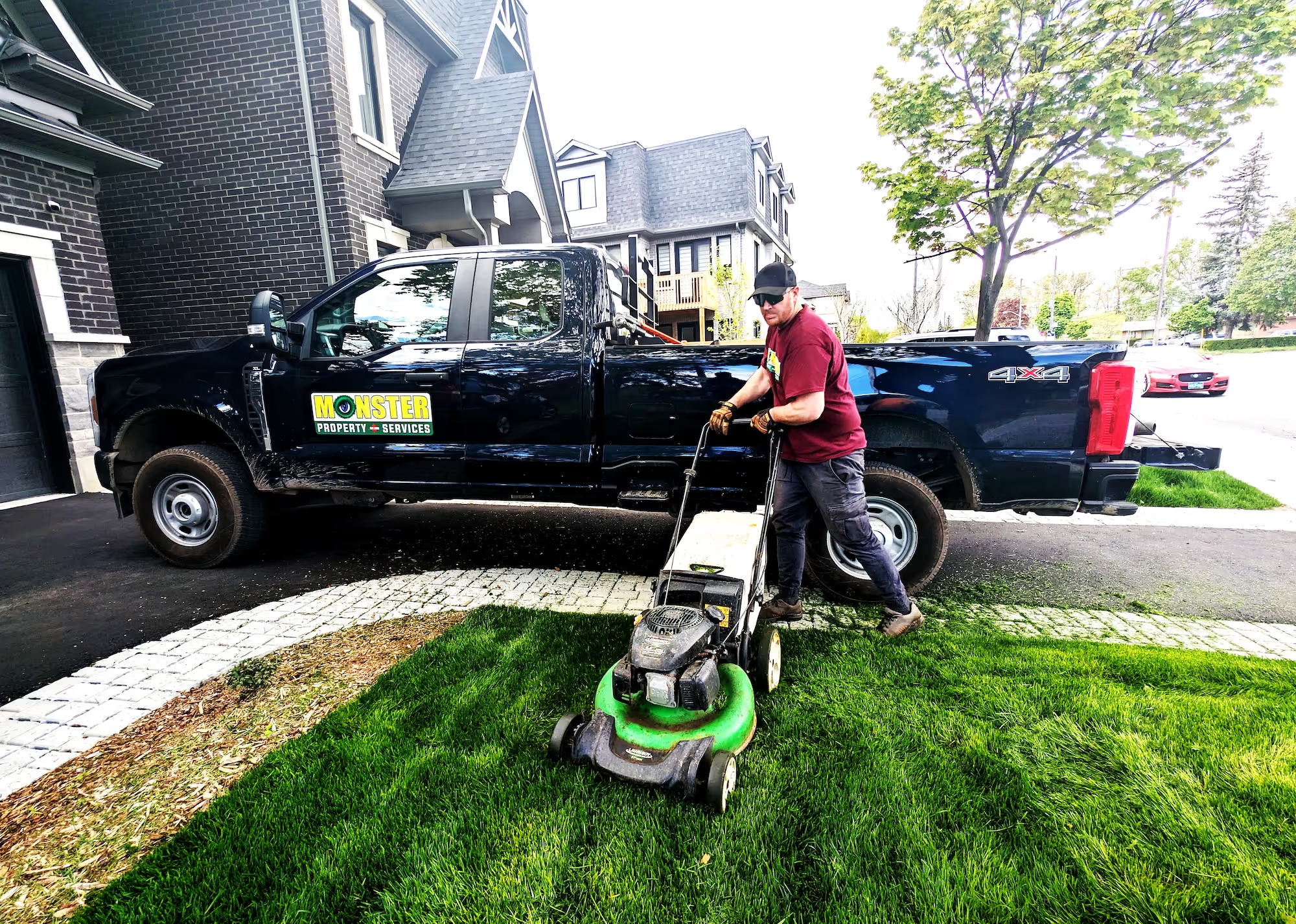
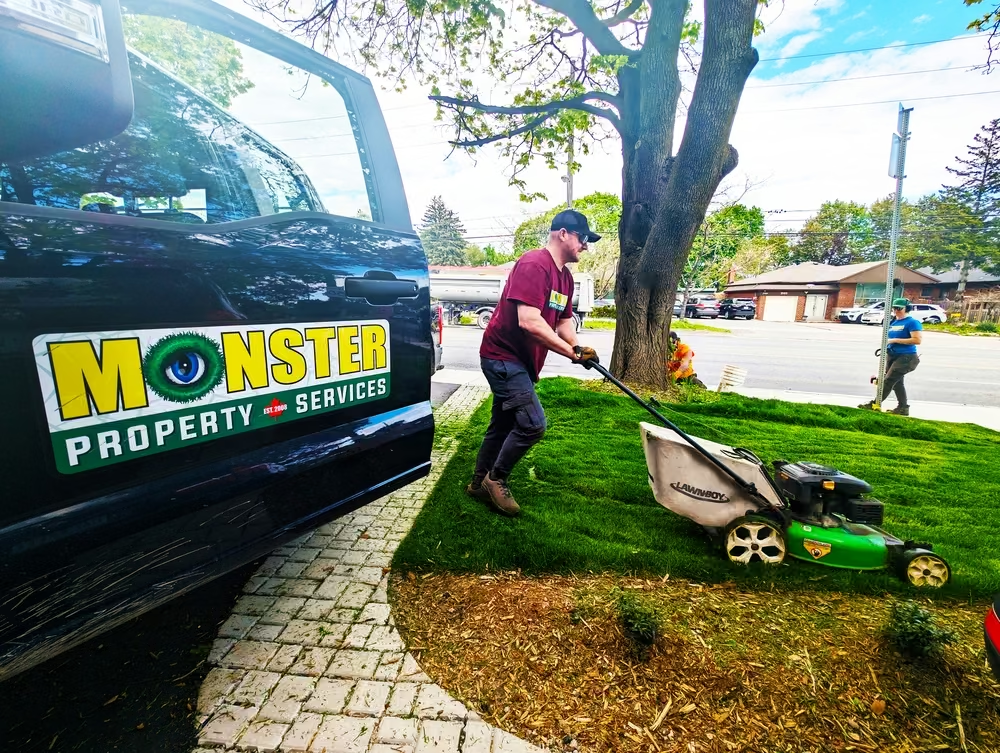
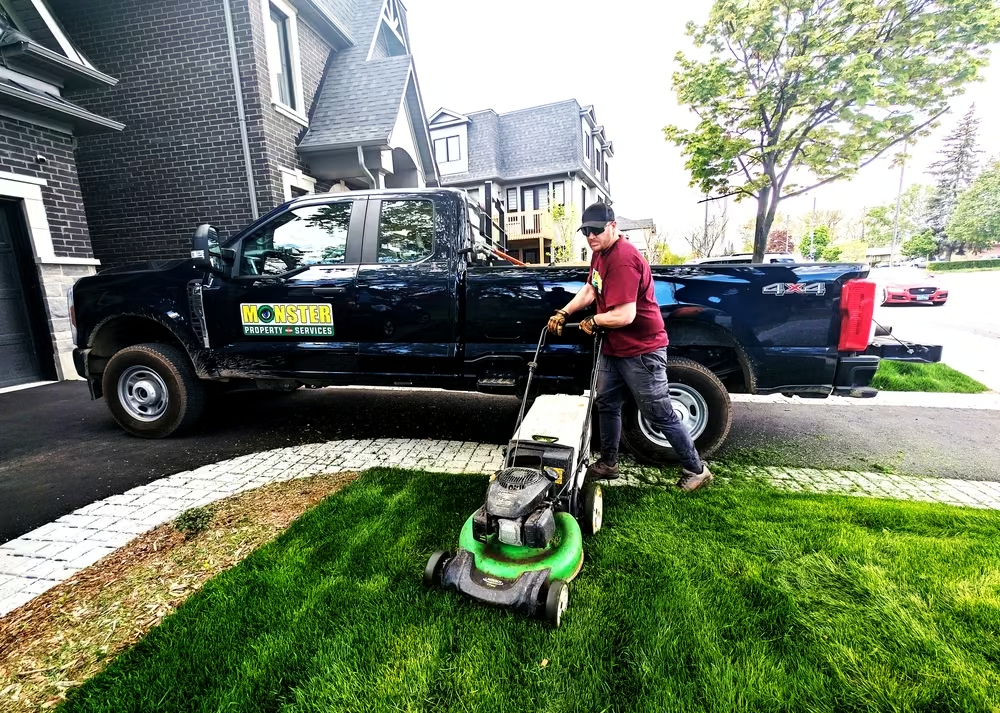
In the GTA, the first mow typically happens in late April to early May, depending on the season. Wait until your grass is actively growing and has reached about 3 to 4 inches. Set your mower higher than usual for the first cut — around 3 inches — to avoid stressing the turf. Never remove more than one-third of the blade length at a time.
3. Core Aeration
Spring aeration relieves soil compaction from winter and allows water, air, and nutrients to reach the root zone. This is especially important for clay-heavy GTA soils. Aim to aerate when the ground is moist but not waterlogged — typically mid to late April. If your lawn sees heavy foot traffic or feels spongy, aeration is non-negotiable.
4. Overseeding
If you have bare or thin patches, overseed after aerating. Use a mix suited to your sun exposure — a sun-shade blend works well for most GTA properties. Keep newly seeded areas consistently moist for two to three weeks. Spring overseeding works, but fall is actually the ideal time for major seeding projects in Ontario.
5. Fertilization
Apply a slow-release spring fertilizer once your lawn is actively growing, usually in May. Avoid fertilizing too early — the grass needs to be out of dormancy and using nutrients, or you're just feeding weeds. A soil test every couple of years will tell you exactly what your lawn needs and save you from guessing.
Garden Bed Checklist
6. Debris Removal
Clear out fallen branches, dead leaves, and any remaining winter cover from your garden beds. This is also the time to pull any early weeds before they establish root systems. A clean bed is easier to mulch and plant into, and it reduces pest and disease pressure.
7. Soil Amendment
Top-dress your beds with compost or aged manure to replenish nutrients lost over winter. Work it into the top few inches of soil with a garden fork. If your beds have compacted clay soil — common across the GTA — adding organic matter annually makes a significant difference in drainage and root health over time.
8. Mulching
Apply two to three inches of mulch to garden beds after the soil has warmed up slightly, typically in May. Mulching too early traps cold in the soil and delays plant growth. Keep mulch a few inches away from tree trunks and shrub bases to prevent rot. Cedar and hardwood mulch are both popular and effective choices in our climate.
9. Pruning
Prune dead or damaged branches from trees and shrubs before new growth begins. For spring-blooming shrubs like lilacs and forsythia, wait until after they flower to prune, or you'll cut off this year's blooms. Summer-blooming shrubs and most deciduous trees can be pruned in early spring while still dormant.
Hardscape Checklist
10. Walkway and Driveway Cleaning
Winter leaves behind deicer residue, sand, and grime on walkways, patios, and driveways. A thorough sweep and power wash in spring restores the appearance and prevents staining. Check for any pavers or flagstones that have shifted due to frost heave — these are trip hazards and should be releveled.
11. Fence and Deck Inspection
Inspect wooden fences and decks for winter damage: loose boards, popped nails, rot, and signs of insect activity. Pressure-treat or stain wood surfaces every two to three years to protect against Ontario's wet springs and humid summers. Tighten any loose hardware on gates and railings.
12. Drainage Check
Walk your property during or after a heavy rain. Look for areas where water pools near your foundation, along walkways, or in low spots in the yard. Poor drainage leads to soggy lawns, flooded beds, and potential basement moisture issues. Regrading, extending downspouts, or adding a French drain can solve most problems.
When to Call a Pro vs. DIY
Many of these tasks are straightforward for a hands-on homeowner with the right tools. Raking, debris removal, and basic pruning are manageable for most people. However, core aeration requires specialized equipment, proper fertilization benefits from a soil test and professional-grade products, and drainage issues often need a trained eye to diagnose correctly.
If your property is larger than a typical city lot, or if you simply want the peace of mind that everything is done right and on schedule, a professional property maintenance team can handle your entire spring checklist in a single visit.
Get Your Property Spring-Ready
Not sure where to start? Monster Property Services handles spring cleanup as part of our seasonal plans. Our crews know GTA soil, climate, and plant life inside out — and we'll make sure your property is set up for a strong growing season from day one. Get a free quote today and let us take spring prep off your plate.