Spring Doesn't Wait — Neither Should Your Property
The GTA's freeze-thaw cycle does real damage. Every winter leaves behind compacted soil, dead organic matter, frost-heaved edges, and debris that smothers new growth. What you do in the first few weeks of spring determines how your property looks for the rest of the year.
Here are five things your property needs right now — and what happens if you skip them.
1. Spring Cleanup: Clear the Winter Damage
What it is: Removing all winter debris — dead leaves, broken branches, windfall, deicer residue, matted grass, and anything the snow buried for four months. This includes raking out thatch buildup and clearing beds of decomposing organic matter.
Why it matters: Matted leaves and debris left on the lawn create the perfect conditions for snow mold — a fungal disease that kills grass in circular patches. You've seen those grey or pink mats on lawns in early spring. That's snow mold, and it happens when organic matter sits on the turf all winter with no airflow. Clearing debris early lets the soil breathe, dry out, and start warming up for new growth.
What happens if you skip it: Snow mold spreads. Dead patches appear. The lawn comes in thin and uneven. Weeds colonize the bare spots before your grass has a chance to fill in. You spend the rest of the summer fighting a problem that ten minutes of raking would have prevented.
2. First Mow Timing: Don't Cut Too Early
What it is: The first cut of the season, timed to when soil temperatures have consistently crossed the growth threshold (typically when daytime temps hold above 10°C for a week or more and the ground is no longer frozen or saturated).
Why it matters: Mowing too early on frozen or waterlogged turf causes cellular damage to grass plants. The mower wheels compact saturated soil, which crushes root systems and creates ruts. The blades tear rather than cut, because cold grass is brittle. An early mow can set your lawn back weeks.
What happens if you skip it (or do it wrong): Mow too early and you damage the turf. Wait too long and the first cut becomes a scalping job — removing more than a third of the blade height at once, which shocks the plant and turns your lawn yellow. The window matters. In the GTA, that window is typically mid-to-late April, depending on the neighbourhood and sun exposure.
3. Edge Definition: Re-Establish Your Lines
What it is: Re-cutting clean edges along garden beds, walkways, driveways, and any hardscape border. Winter frost heave pushes soil, shifts borders, and blurs the lines between lawn and bed.
Why it matters: Clean edges are the single fastest way to make a property look maintained. A well-edged lawn looks sharp even before the grass is fully green. Conversely, a property with ragged, undefined edges looks neglected regardless of how healthy the turf is. Edging also creates a physical barrier that slows grass from creeping into beds and reduces trimming time all season.
What happens if you skip it: Grass invades your beds. Soil migrates onto walkways. The property looks unkempt from the street. Every subsequent visit takes longer because the crew has to work around undefined borders instead of following clean lines.
4. Mulch Refresh: Suppress, Retain, Protect
What it is: Applying a fresh 2-3 inch layer of mulch to garden beds, tree rings, and landscape features. This typically means removing or turning old mulch, topping up to the correct depth, and pulling back from plant stems and tree trunks to prevent rot.
Why it matters: Mulch does three jobs. It suppresses weed germination by blocking light to the soil surface. It retains moisture during summer heat, reducing the need for supplemental watering. And it insulates root systems against temperature swings during the spring warm-up, when overnight frosts can still damage shallow roots on warm-season plantings.
What happens if you skip it: Weeds explode. Without a mulch barrier, weed seeds that blew in over winter germinate freely in bare soil. By June, your beds are overrun. Moisture evaporates faster, stressing plants during July heat. The beds look tired and bare. You end up paying for reactive weeding all summer instead of one preventive mulch application in spring.
5. Assess What Needs Work: Spot Problems Early
What it is: A walkthrough of the entire property to identify issues that need targeted attention: bare patches (overseeding candidates), compacted soil (aeration candidates), tired or thin beds (soil amendment), damaged turf edges, eroded areas, or drainage problems exposed by snowmelt.
Why it matters: Spring is the diagnostic window. Problems are visible before new growth covers them up. A bare patch in April is easy to overseed and recover. That same bare patch in July is baked dirt surrounded by crabgrass. Compacted soil from winter foot traffic or equipment storage won't recover on its own — it needs aeration to open up pore space for roots, water, and air.
What happens if you skip it: Small problems become big ones. A thin spot becomes a dead zone. A drainage issue becomes an eroded channel. Compacted soil stays compacted, and the turf above it thins out because roots can't penetrate. By midsummer, you're dealing with symptoms instead of causes.
Monster Handles All of This
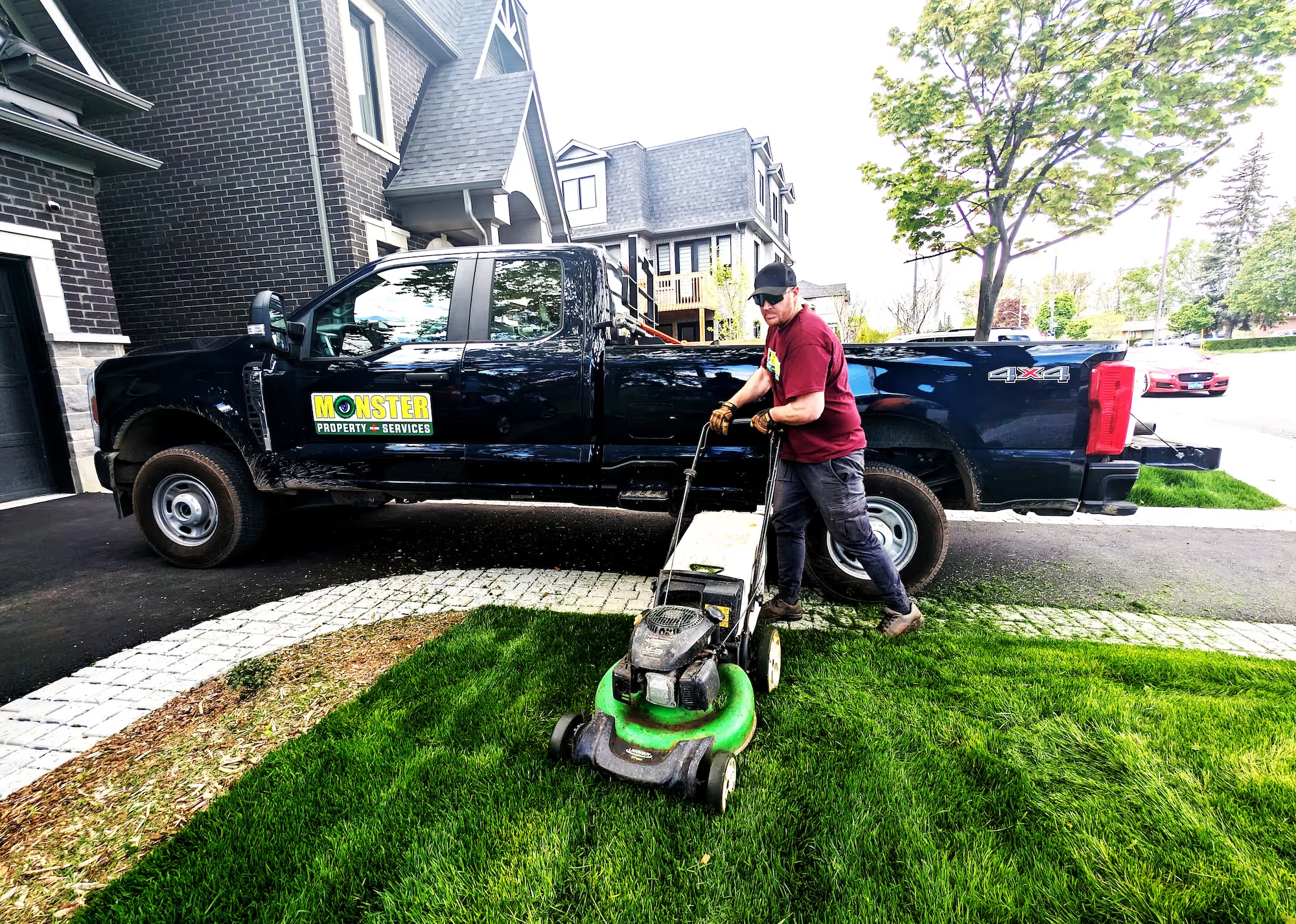
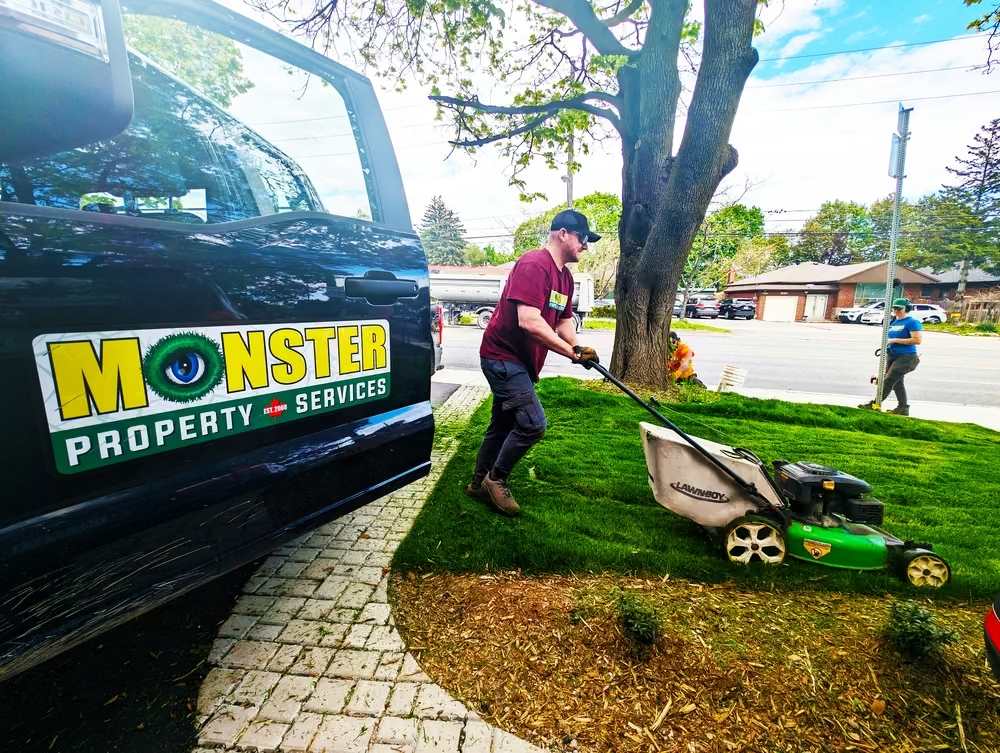
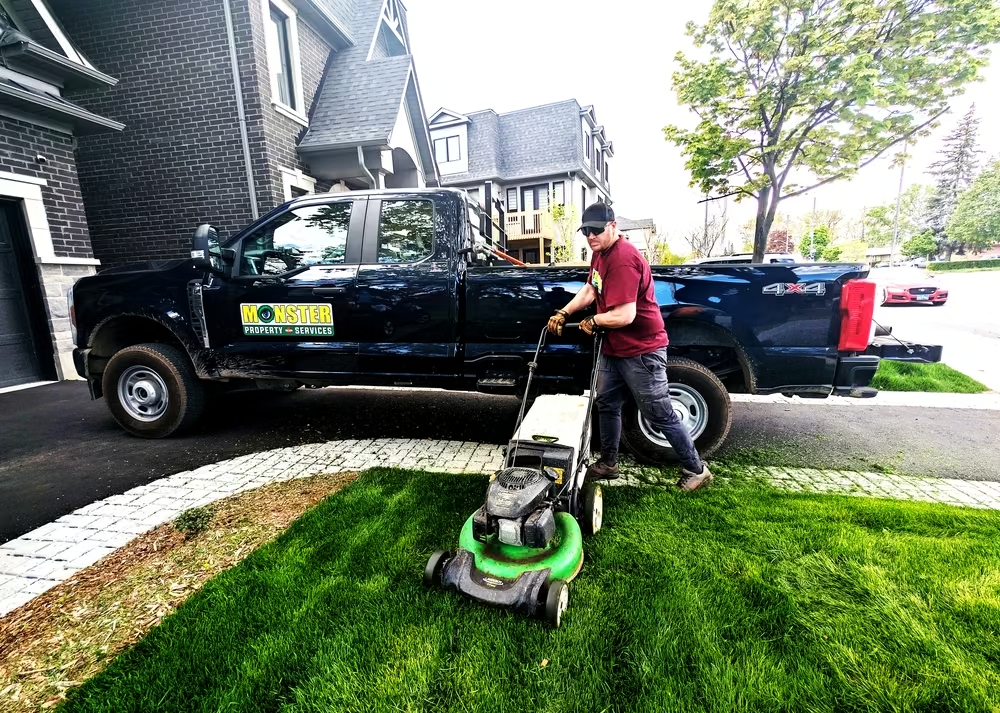
Every item on this list is included in Monster's seasonal lawn care service. Spring cleanup, first mow timing, edge definition, mulch application, and property assessment — it's all part of the program. No add-on charges, no separate quotes, no surprises.
If your property needs spring attention, get a free quote from Monster Property Services. We service Toronto, Vaughan, Markham, Richmond Hill, Mississauga, Brampton, and communities across the Greater Toronto Area.